Lipoedema Surgery on the NHS: What You Can Get and Your Options
Short answer: liposuction for lipoedema is not routinely available on the NHS in England. NICE guidance says it should only be used as part of research, so most NHS commissioners do not normally fund it. An individual funding request is possible but rarely succeeds. The NHS can help with diagnosis, compression garments and, in some areas, lymphoedema clinic support. This guide explains what you can get on the NHS, how funding requests work, and what to consider if you are thinking about private lipoedema surgery.
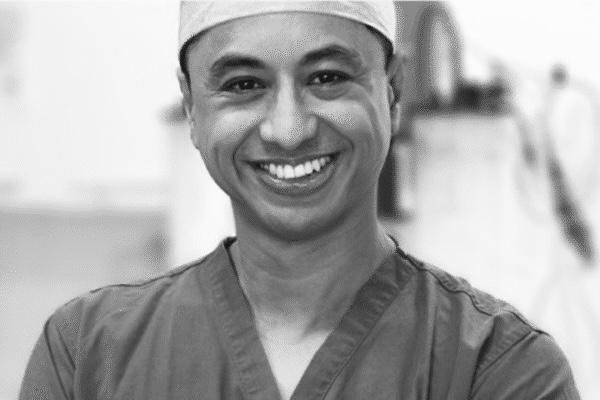
Written by Dr Edwin Anthony, Lead Clinician at Contoura Medical, a GMC registered doctor and Lipoedema UK Recognised Clinician who treats lipoedema at Langham Hospital, Marylebone. Last reviewed: October 2026.
Is lipoedema surgery available on the NHS?
In most cases, no. In March 2022 NICE published interventional procedures guidance IPG721 on liposuction for chronic lipoedema. It concluded that the evidence on both safety and effectiveness was inadequate and that the procedure should only be used in the context of research. The guidance has since moved to NICE HealthTech guidance 618, with the recommendations unchanged.
Because of this, Integrated Care Boards (the NHS bodies that decide which treatments are funded locally) generally list liposuction for lipoedema as not normally funded. A typical example is the Central East ICB policy ratified in April 2026, which states that liposuction for lipoedema is not normally funded and that conservative care remains the recommended approach.
Why NICE has not approved it
NICE did not say liposuction does not work. It said the published studies were mostly retrospective and had methodological limits, so the benefit could not be measured with enough certainty, and that serious complications are possible when large volumes are removed. NICE also advised that patients should be selected by a multidisciplinary team and that surgery should only be done in specialist centres by experienced surgeons.
Lipoedema UK has noted that NICE is expected to look at the question again once results from the German LIPLEG trial are published. Germany’s statutory health insurers already fund lipoedema liposuction for patients who meet set criteria, so the position in the UK may change in future.
What you can get on the NHS for lipoedema
- Assessment and diagnosis. Your GP can examine you and refer you on if needed. Lipoedema is still under recognised, so it can help to bring a list of your symptoms: disproportionate fat on the legs or arms, sparing of the hands and feet, tenderness, easy bruising and little change with weight loss.
- Compression garments. Made to measure or flat knit garments can be prescribed and often ease heaviness and aching.
- Lymphoedema services. If you also have swelling, you may be referred to a lymphoedema clinic for manual lymphatic drainage and compression advice. Some clinics only accept patients who have lymphoedema as well, so access varies by area.
- Weight management support. Where obesity is also present, NHS weight management services can help. Our article on lipoedema and weight loss injections explains who is eligible for Mounjaro and Wegovy.
- Skin care advice, as regular moisturising helps protect skin under compression.
- Psychological support such as counselling or CBT if the condition is affecting your mood.
- Physiotherapy and pain support for mobility, joint strain and pain, particularly around the knees and ankles.
See your GP urgently or call NHS 111 if a swollen leg becomes red, hot and painful with flu like symptoms, as this may be cellulitis.
Lipoedema or lymphoedema?
Lipoedema is an abnormal build up of fat, usually on both legs, that is largely unaffected by diet. Lymphoedema is a build up of lymph fluid because the lymphatic system is not draining properly, and it usually affects the feet too. The two can occur together, and untreated lipoedema can lead to secondary lymphoedema over time. A formal diagnosis helps, because the two are managed differently.
Can I apply for an individual funding request?
Yes. If your treatment is not normally funded, your GP or specialist can submit an Individual Funding Request (IFR) to your local ICB. The panel will only approve it if you can show clinical exceptionality, meaning your situation is significantly different from other patients with the same condition. Severe lipoedema on its own is usually not considered exceptional, because many patients share it. Requests that succeed tend to be well documented, with evidence of conservative treatment over a long period and the effect on mobility and daily life. It is worth asking, but most patients should plan on the basis that an IFR will not be approved.
Private lipoedema surgery: what to look for
Many women in the UK choose private surgery when symptoms affect their daily life. If you are considering it, these points matter more than price:
- Experience with lipoedema specifically, not only cosmetic liposuction. Lipoedema surgery aims to remove diseased fat while protecting the lymphatic vessels.
- A staged plan. Larger volumes are usually removed over two or more operations, which is safer and in line with the safety concerns NICE raised.
- A proper hospital setting with an anaesthetist and overnight care where needed.
- Honest expectations. Surgery aims to improve pain, heaviness, mobility and proportion. It is not a weight loss operation, and compression is still needed afterwards.
- Clear, all inclusive pricing covering surgery, anaesthetic, hospital fees, garments and aftercare.
At Contoura Medical, Dr Anthony uses gentle tumescent and VASER lymph sparing techniques at Langham Hospital, Marylebone. Lipoedema treatment starts from £4,850 for the first area. You can see full details on our lipoedema treatment London page and our price list.
Frequently asked questions
Does the NHS recognise lipoedema?
Yes. Lipoedema is a recognised medical condition and has its own diagnostic code. What is not routinely funded is liposuction to treat it.
Will my GP refer me for lipoedema surgery?
Your GP can refer you for assessment, but an NHS referral for liposuction itself is unlikely unless an individual funding request is approved. Your GP can still support you with compression, lymphoedema referral and pain management.
Is lipoedema liposuction available on the NHS in Scotland or Wales?
NHS Scotland and NHS Wales make their own funding decisions. Routine funding for lipoedema liposuction is not generally available there either, so it is worth asking your health board directly.
Can I use private medical insurance?
Some insurers will consider lipoedema surgery, but many class it as excluded. Check your policy wording and ask your insurer for written pre authorisation before booking.
How many operations will I need privately?
It depends on how many areas are affected and your stage of lipoedema. Many patients need two or more procedures planned over several months. Read what is lipoedema for more on stages and symptoms.
Talk to Dr Anthony
If you would like personal advice, book a consultation at Langham Hospital, Marylebone, or a video consultation. Book online, message us on WhatsApp on 07476 986577 or call 020 3890 1911.
This article is general information written by Dr Edwin Anthony, GMC registered cosmetic doctor at Contoura Medical. It is not a substitute for a personal medical assessment.
Sources
- NICE IPG721: Liposuction for chronic lipoedema, recommendations
- NICE HealthTech guidance 618: Liposuction for chronic lipoedema
- Central East ICB: Liposuction for lipoedema commissioning policy, April 2026
- Lipoedema UK: Frequently asked questions