Aesthetic & Regenerative Medicine Glossary
Comprehensive Aesthetic & Regenerative Medicine Glossary: Clear Definitions and Clinical Insights
Aesthetic and regenerative medicine is a rapidly evolving field dedicated to enhancing appearance, promoting skin health, and repairing tissue through innovative techniques and treatments. This comprehensive glossary offers clear definitions and clinical insights into terminology related to aesthetic procedures and regenerative therapies. Readers will find essential concepts, explore key procedures, and access valuable information about the latest advances in these areas. With many seeking effective solutions for skin rejuvenation and regenerative support, understanding these terms is essential. This article explores key terms in aesthetic medicine, essential regenerative treatments, safety considerations, standardisation of terminology, emerging trends, and strategies for navigating the aesthetic and regenerative medicine glossary.
What are the key terms in aesthetic medicine and skin rejuvenation?
Aesthetic medicine covers various medical practices focused on improving physical appearance through non-invasive or minimally invasive procedures. Key terms in this field include injectables, laser resurfacing, and skin rejuvenation therapies. Appreciating the clinical significance and applications of these terms is crucial for both patients and professionals.
How are injectables like Botulinum Toxin and dermal fillers defined and used clinically?
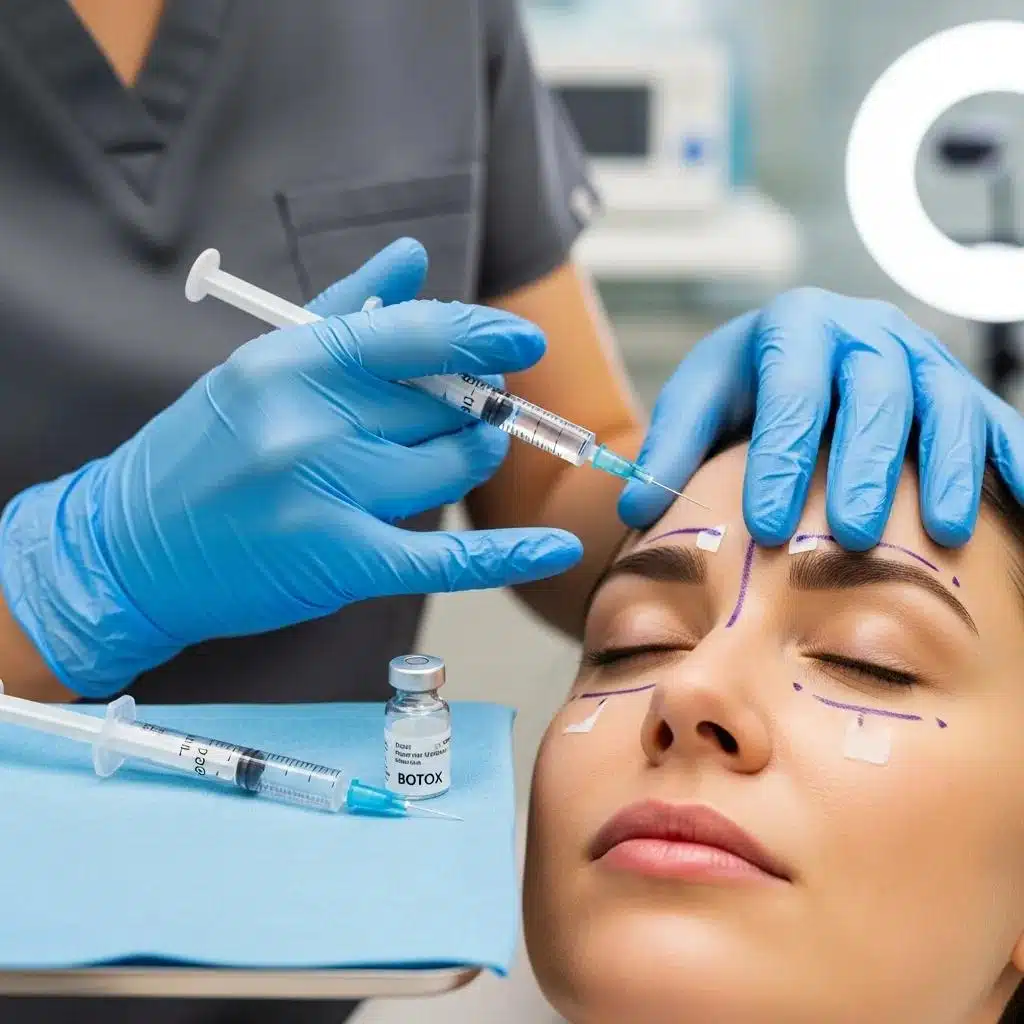
Injectables such as Botulinum Toxin and dermal fillers are widely used in aesthetic medicine to address signs of ageing and enhance facial volume. Botulinum Toxin, a neurotoxin, works by temporarily relaxing specific facial muscles, thereby reducing the appearance of dynamic wrinkles. In contrast, dermal fillers restore lost volume and hydrate the skin by using substances like hyaluronic acid. Both treatments offer quick results, typically requiring only brief in-office procedures, making them highly popular in cosmetic practices.
For more detailed insights into the clinical applications and trends of dermal fillers, the following citation provides an extensive review.
Dermal Fillers: Clinical Uses, Types, and Trends
Injection of dermal fillers is the second most frequent nonsurgical cosmetic procedure performed in the USA, with an estimated 2.7 million procedures conducted annually as of 2023. Dermal fillers are an option in the treatment of volume deficiency, scars, and rhytides; facial sculpting; facial contouring; and augmentation of specific anatomical sites such as the lips. The number of injectable dermal fillers available on the market increases yearly. Dermatologists and cosmetic surgeons should regularly review treatment options to provide patients with safe and effective filler options. This paper extensively reviews the properties of the available fillers, such as their rheology, longevity, and adverse effects, and how these properties affect the choice of filler agent for a particular patient or a particular site. Also, trends in dermal filler injections are discussed. Dermal fillers: an update, 2015
What procedures constitute laser resurfacing and microneedling treatments?
Laser resurfacing and microneedling are innovative techniques used to rejuvenate the skin’s surface. Laser resurfacing employs concentrated light beams to remove outer layers of damaged skin, promoting collagen production and improving skin texture. Microneedling involves using a device with tiny needles to create micro-injuries, stimulating the body’s natural healing process and enhancing skin elasticity. Both procedures have varying recovery times, generally requiring minimal downtime while delivering significant aesthetic results.
Which regenerative medicine treatments are essential for skin repair and anti-ageing?
Regenerative medicine focuses on repairing damaged tissues and promoting healing. Several treatments have become crucial for skin repair and anti-ageing, utilising the body’s natural processes to effectively restore a youthful appearance.
What is the clinical role of platelet-rich plasma and stem cell therapies?
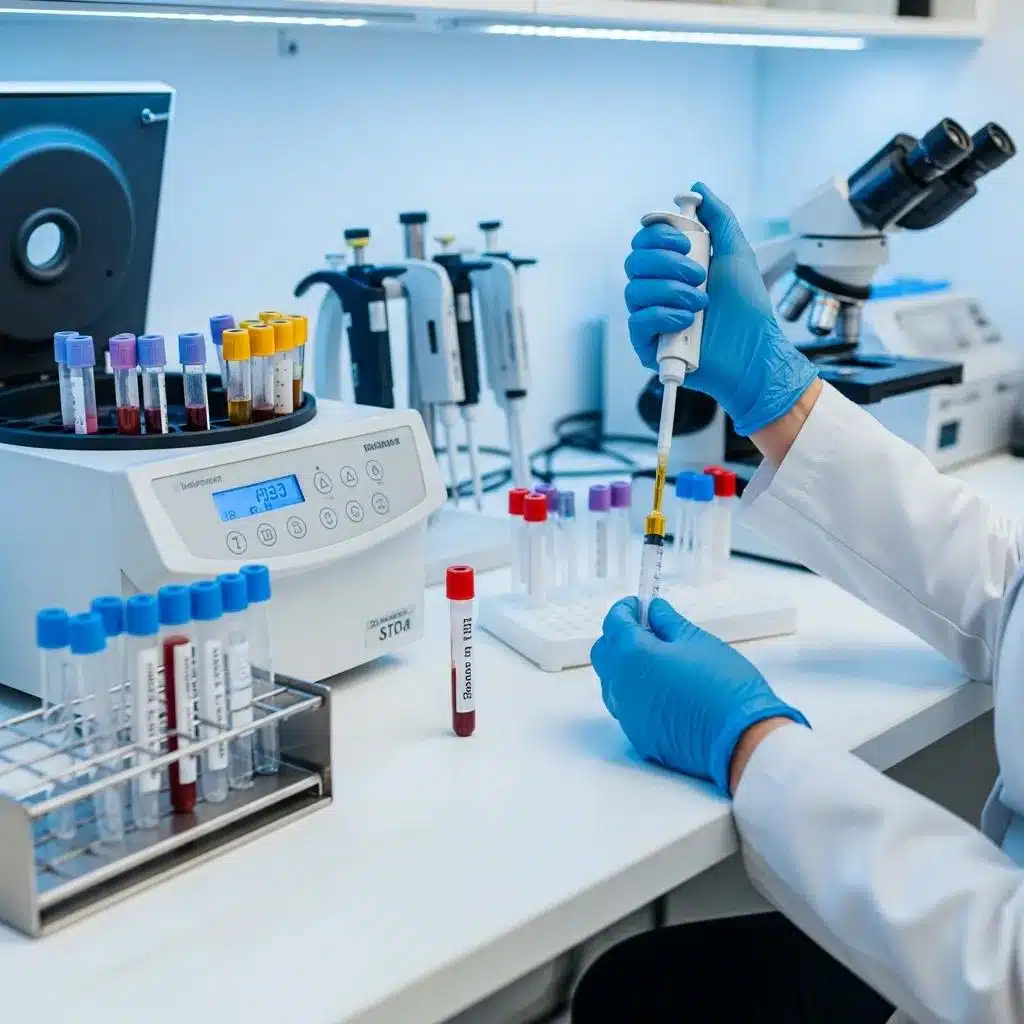
Platelet-rich plasma (PRP) therapy uses the patient’s own blood components to stimulate healing and rejuvenation in the skin. By injecting concentrated platelets, which release growth factors, PRP enhances collagen production and improves skin texture. Stem cell therapies are also gaining popularity, leveraging stem cells derived from various sources to regenerate damaged tissues and promote skin healing. Clinical studies indicate that both therapies provide significant improvements in skin tone and elasticity, making them integral to modern aesthetic practices.
Further elaborating on the customisation of treatments and the role of regenerative therapies in enhancing skin health, the following citation highlights modern approaches in aesthetic dermatology.
Personalised Regenerative Therapies in Aesthetic Dermatology
Introduction: Aesthetic dermatology has transformed in recent years, driven by technological advances and growing demand for more effective and tailored treatments. Personalising skin care allows procedures to be adapted to the individual characteristics of each patient, considering factors such as skin type, age, health history and lifestyle. Additionally, regenerative therapy has emerged as an innovative approach, promoting cell renewal and improving skin quality naturally and sustainably.
Methodology: This study is based on a systematic review of scientific literature, analysing articles published between 2015 and 2025 in databases such as PubMed, Scopus and Web of Science. Studies that investigate the effectiveness of personalised dermatological treatments and regenerative therapies, considering clinical, technological and biological aspects, were included. The selection of articles followed strict criteria, prioritising research with significance. Personalisation of treatments and regenerative therapy in aesthetic dermatology: innovations and individualised approaches to skin health, 2022
How does collagen induction therapy contribute to skin regeneration?
Collagen induction therapy, or microneedling, plays an important role in skin regeneration by stimulating collagen production through controlled micro-injuries. This process encourages the natural healing response, resulting in thicker skin, improved elasticity, and a reduction in fine lines and scars. Patients typically observe improvements over several weeks as the skin continues to heal and regenerate, reflecting the therapy’s effectiveness in promoting long-term skin health.
What are the safety considerations and contraindications in aesthetic and regenerative procedures?
Safety in aesthetic and regenerative medicine is paramount, and practitioners must be aware of potential risks and contraindications associated with various procedures. Understanding these factors helps ensure patient safety and treatment success.
Which risks and side effects are common to neurotoxin treatments like Botulinum Toxin?
Common risks associated with neurotoxin treatments, such as Botulinum Toxin, include localized bruising, swelling, and rare complications like drooping eyelids or facial asymmetry. While most patients experience minimal side effects, it is vital for practitioners to conduct thorough consultations, ensuring patients are informed of potential outcomes and safety measures before proceeding with treatment.
What contraindications must be considered for microneedling and injectable therapies?
Contraindications for microneedling and injectables include active skin infections, certain autoimmune disorders, and a history of keloid formation. Individuals on blood thinners should also approach these treatments with caution. Conducting comprehensive patient assessments prior to procedures minimises risks and ensures suitability for treatment.
How are aesthetic medicine terminologies standardised and linked to medical knowledge bases?
The standardisation of terminologies in aesthetic medicine is essential for effective communication among practitioners and researchers. This promotes consistent understanding and application of terms across the field.
What role do Medical Subject Headings and SNOMED CT play in medical aesthetic glossary accuracy?
Medical Subject Headings (MeSH) and SNOMED CT are leading classification systems that provide standardised vocabularies for medical terminology. These systems help categorise aesthetic medicine topics, ensuring accuracy and uniformity in names and definitions across medical literature. Accurate terminology enables clearer communication in education and clinical research, enhancing professional understanding in aesthetics.
How are semantic triples used to define relationships between treatments and substances?
Semantic triples represent a fundamental method for constructing relationships within a structured framework. In aesthetic medicine, they define how specific treatments relate to their biochemical substances and patient outcomes. Mapping these relationships helps practitioners better understand treatment protocols, foster effective patient communication, and advance the knowledge base of aesthetic procedures.
What are the emerging trends and growth statistics in regenerative aesthetic treatments?
The field of regenerative aesthetic treatments is evolving, marked by innovative practices and increasing patient demand. Understanding trends and growth statistics is vital for professionals aiming to stay ahead in this competitive landscape.
How is the adoption of minimally invasive regenerative procedures evolving globally?
Worldwide, adoption of minimally invasive regenerative procedures has grown significantly, driven by patients’ preferences for effective, non-surgical options. Countries leading this trend include the United States, Germany, and South Korea, where innovative technologies and therapies are actively explored and implemented. Market analyses forecast a compound annual growth rate (CAGR) of approximately 12% in the global regenerative aesthetic market through 2028, highlighting the rising popularity of these treatments.
Which treatments show increased clinical acceptance and patient demand?
Treatments such as PRP therapy and collagen induction therapy are gaining substantial traction in the aesthetics market. Research shows patient satisfaction rates upwards of 85% for these approaches as they provide visible results with fewer risks compared to traditional surgical options. The demand for natural-looking outcomes is prompting a shift towards regenerative methods, aligning with contemporary patient preferences in aesthetic healthcare.
How can patients and professionals effectively navigate the aesthetic and regenerative medicine glossary?
Understanding the terminology in aesthetic and regenerative medicine can be complex, but applying specific strategies can facilitate comprehension and practical use.
What strategies improve cross-linking between related terms and procedural categories?
Professional training and continuous education in aesthetic procedures are essential for practitioners to deepen their terminology knowledge. By focusing on cross-linking related terms across categories, healthcare providers can build a coherent knowledge framework that benefits both practitioners and patients. This fosters clearer understanding of procedures and corresponding terminologies.
How does structured data markup enhance glossary clarity and search visibility?
Structured data markup plays an important role in enhancing glossary clarity and digital search visibility. By organising and categorising data effectively, practitioners can improve the online presence of their educational resources. This enables patients seeking information on aesthetic procedures to access relevant and structured information more easily, resulting in better-informed decisions regarding their treatment options.
Reviewed by Dr Edwin Anthony